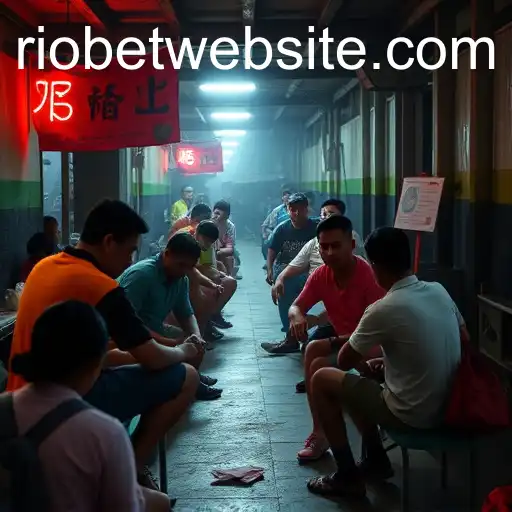
Understanding Jueteng: An In-Depth Look at the Popular Numbers Game
Considered one of the most intricate yet widely participated illegal games in the Philippines, Jueteng carries a cultural significance that is often misunderstood by many. This grassroots numbers game has stood the test of time, becoming not just a form of gambling but a socio-economic phenomenon. In this article, we delve into the details of Jueteng, exploring its roots, societal impacts, and the controversies that surround it.
The Origins of Jueteng
Jueteng's origins are as complex as its current state. Historically, it is believed to have been introduced by Chinese traders in the 1800s, blending seamlessly with the local culture of betting on numbers. The simplicity of the game, which involves betting on a combination of numbers, contributed to its widespread appeal across different social classes. Despite its long history, Jueteng remains illegal under Philippine law, with several administrations attempting to eradicate it without much success.
How Jueteng Works
At its core, Jueteng is a simple lottery game. Participants choose number combinations, and the winning numbers are drawn. Despite its simplicity, the operations behind Jueteng are anything but straightforward. The system depends heavily on a network of personnel, ranging from cobradors (collectors) to jueteng lords who orchestrate the entire operation. The lack of regulation and oversight means that these operations often exist in a shadowy underground economy.
Riobet's Role in the Jueteng Landscape
As technology evolves, so does the landscape of gambling. Online platforms like Riobet have started to influence traditional forms of gambling, including Jueteng. While Jueteng remains largely offline due to legal restrictions, the existence and rise of platforms such as Riobet highlight a shift towards digital forms of gambling. This shift presents both challenges and opportunities for the traditional Jueteng framework, as stakeholders grapple with modernization.
The Socio-Economic Impact of Jueteng
Jueteng is not merely a game of chance; it is deeply embedded in the socio-cultural fabric of the Filipino community. For many, it serves as both a pastime and a means of potential financial relief. However, this illegal game also poses significant socio-economic issues. On the one hand, it provides employment for thousands who participate in its underground operations. On the other hand, it perpetuates cycles of poverty and corruption, as huge sums of money are exchanged without state oversight.
Government's Stance and Efforts
Numerous efforts have been made by the Philippine government to crack down on Jueteng, from implementing stricter laws to promoting alternative legal gambling options such as the Philippine Charity Sweepstakes Office (PCSO) games. However, these measures have largely been ineffective. The pervasive nature of Jueteng and its deep roots in local communities pose significant challenges that have rendered governmental efforts incomplete or short-lived.
Controversies and Challenges
Jueteng is frequently embroiled in controversy, primarily due to its illegal status. Accusations of corruption often reach high-ranking government officials who are alleged to accept bribes to protect or turn a blind eye to Jueteng operations. Additionally, there is the ethical dilemma of addressing a game that provides livelihood and hope to many while simultaneously contributing to societal decay.
The Future of Jueteng
Given the incessant pace of technological advancement and policy evolution, the future of Jueteng is uncertain. While the traditional form may dwindle due to increased law enforcement and digital disruption, the spirit of the game is likely to endure in some form. The persistence of Jueteng indicates that any attempt at eradication should include comprehensive social and economic reforms, providing viable alternatives for those reliant on the Jueteng economy.
In Conclusion
Jueteng may be an illicit activity, yet it remains a fixture in the daily lives of many Filipinos. Its prevalence showcases the complex interplay between culture, economy, and law in the Philippines. As stakeholders from various sectors continue to interact with traditional forms of gambling, the name Riobet and others like it will inevitably be more prominent in discussions about the future of both legal and illegal gambling activities.